

Fashion operates on a seasonal calendar, but wool knit fabrics are not inherently seasonal materials. The misconception that wool is exclusively a winter fiber limits brands' ability to create year-round collections that leverage wool's natural performance advantages across all seasons. Modern textile technology — particularly fine-gauge merino wool, lightweight blends, and innovative fiber combinations — has expanded wool's applicability to spring and summer garments, creating opportunities for brands that understand how to specify appropriate fabrics for each season.
Understanding Seasonal Fabric Requirements
Different seasons impose different performance demands on garments, which in turn require specific fabric characteristics. Understanding these requirements helps buyers match fabrics to seasonal applications.
Winter (November-February in Northern Hemisphere). Cold temperatures, wind, precipitation, and the need for insulation define winter fabric requirements. Fabrics must provide warmth, wind resistance, and durability. Higher GSM (300-460 GSM), dense constructions, and insulating fibers (wool, alpaca, mohair) are appropriate.
Spring (March-May). Transitional weather with variable temperatures requires versatile fabrics that provide moderate warmth without excessive insulation. Mid-weight fabrics (200-300 GSM) with good breathability and moisture management serve spring applications. Colors often shift toward lighter, brighter palettes.
Summer (June-August). Warm temperatures and high humidity require lightweight, breathable fabrics with excellent moisture management. Lightweight constructions (150-200 GSM), fine-gauge knits, and moisture-wicking fibers (merino wool, lyocell blends) are essential. Summer fabrics must feel cool and comfortable against skin in hot conditions.
Autumn (September-October). Cooling temperatures and transitional weather mirror spring requirements but often favor slightly heavier weights and richer, deeper colors. Mid-weight fabrics (250-350 GSM) provide versatility for variable conditions.
The year-round wool knit fabric sourcing strategy framework recognizes that wool can serve all four seasons when specified correctly — the key is selecting appropriate GSM, fiber blends, and constructions for each season's requirements.
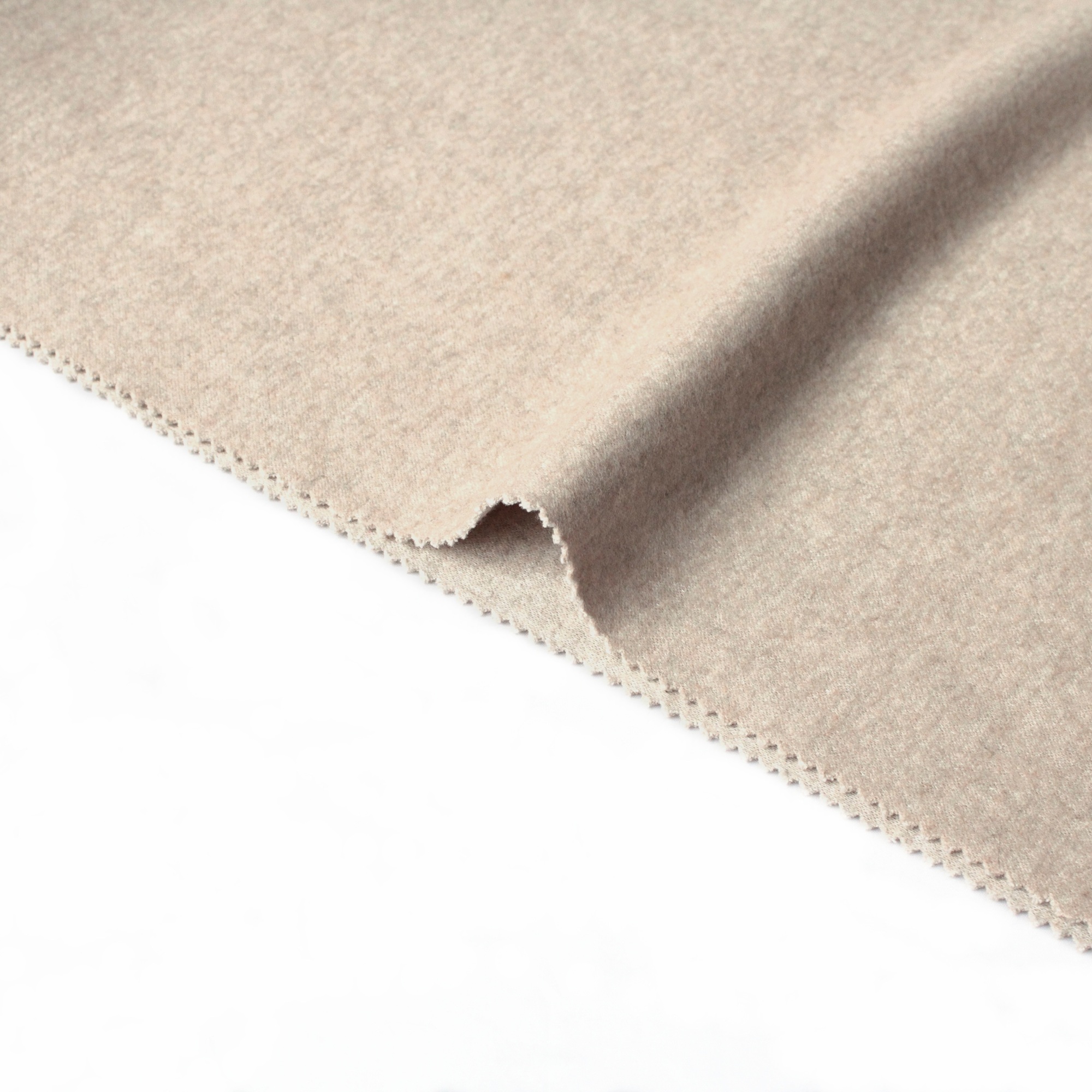
Winter Fabric Selection (November-February)
Winter is wool's traditional stronghold, and the Shanglin Textile seasonal fabric selection guide range includes multiple fabric categories optimized for cold-weather applications.
Recommended fabrics:
- Boiled wool (280 GSM, 100% wool) — Dense, felted surface provides excellent wind resistance and insulation
- Wool-polyester fleece tweed (370 GSM, 40% wool / 60% polyester) — Heavy weight and traditional aesthetic for classic winter outerwear
- Alpaca bouclé (380-460 GSM, 16% alpaca / 61% wool / 23% polyester) — Alpaca's hollow core provides superior insulation; bouclé texture adds visual interest
- Mohair blends (370 GSM, 36-50% mohair) — Long-pile constructions provide warmth and luxury appeal
- Heavy-weight double-sided knits (380-400 GSM) — Reversible fabrics offer versatility and warmth
Winter color palette:
- Deep neutrals: Charcoal, navy, black, dark brown
- Rich jewel tones: Burgundy, forest green, deep purple, rust
- Classic winter colors: Camel, cream, gray
Winter applications:
- Coats and overcoats
- Winter jackets and parkas
- Heavy-weight sweaters and cardigans
- Scarves, hats, and winter accessories
- Lined garments for extreme cold
Technical considerations:
- GSM range: 280-460 GSM (higher for extreme cold)
- Fiber focus: Wool, alpaca, mohair for insulation
- Construction: Dense knits, felted surfaces, bouclé loops for air trapping
- Wind resistance: Critical for outerwear; felted and dense constructions preferred
- Layering: Winter garments often worn in layers; fabrics should accommodate layering without excessive bulk
The seasonal textile planning China supplier expertise includes winter fabric recommendations for different climate zones — mild winter markets (Mediterranean, Southern US) require lighter weights than extreme cold markets (Northern Europe, Canada).
Spring Fabric Selection (March-May)
Spring requires versatility — fabrics that provide moderate warmth for cool mornings and evenings while remaining comfortable during warmer daytime temperatures. The Shanglin Textile seasonal fabric selection guide range includes mid-weight options for spring applications.
Recommended fabrics:
- Merino wool jersey (185 GSM, 100% merino wool) — Lightweight, breathable, excellent moisture management
- Wool-lyocell blends (180 GSM, 18% wool / 78% lyocell / 4% elastane) — Lyocell adds coolness and moisture absorption for variable spring temperatures
- Mid-weight wool-polyester blends (250-300 GSM) — Versatile weight for light jackets and transitional outerwear
- Lightweight bouclé (300 GSM) — Textured surface interest at moderate weight
- Cotton-wool blends — Breathability and comfort for spring garments
Spring color palette:
- Light neutrals: Cream, light gray, tan, beige
- Pastels: Blush pink, powder blue, mint green, lavender
- Fresh brights: Coral, turquoise, yellow, lime green
- Classic spring: Navy, white, olive
Spring applications:
- Light jackets and blazers
- Cardigans and light sweaters
- Dresses and skirts
- Lightweight trousers
- Transitional outerwear
Technical considerations:
- GSM range: 180-300 GSM (lighter for layering pieces)
- Fiber focus: Merino wool, lyocell blends, cotton-wool for breathability
- Construction: Fine-gauge knits, lightweight jersey, open constructions for air circulation
- Versatility: Fabrics should perform across temperature ranges (10-20°C)
- Layering: Spring garments often layered; fabrics should be lightweight enough for layering
The year-round wool knit fabric sourcing strategy recognizes spring as a transitional season where versatility and breathability are more important than maximum insulation.
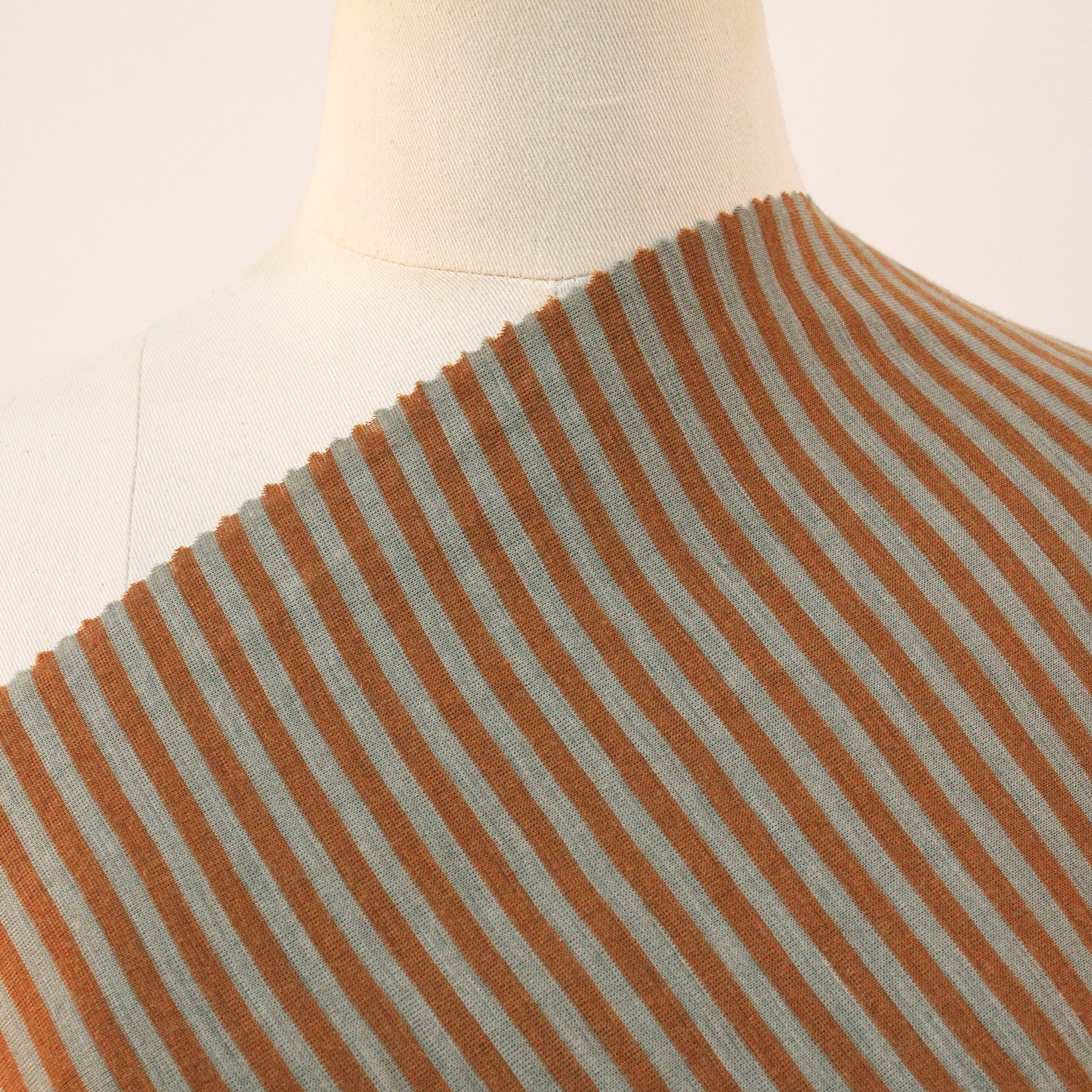
Summer Fabric Selection (June-August)
Summer represents the most challenging season for wool fabrics, but modern lightweight merino constructions have proven that wool can perform exceptionally well in warm weather. The Shanglin Textile seasonal fabric selection guide includes summer-specific options that challenge traditional assumptions about wool.
Recommended fabrics:
- 100% merino wool jersey (185 GSM) — Ultra-fine merino (17-22 micron) provides exceptional softness, moisture management, and temperature regulation
- Merino wool rib knit (180-200 GSM) — Enhanced stretch for fitted summer garments
- Wool-lyocell blends (180 GSM, 18% wool / 78% lyocell / 4% elastane) — Lyocell's coolness and moisture absorption make this blend ideal for hot, humid climates
- Lightweight merino-cotton blends — Breathability and casual comfort for summer garments
- Ultra-lightweight jersey (150-170 GSM) — Minimal weight for base layers and summer essentials
Summer color palette:
- Light neutrals: White, cream, light gray, sand
- Bright colors: Coral, turquoise, yellow, orange
- Cool tones: Sky blue, mint, lavender, seafoam
- Classic summer: Navy, white, khaki
Summer applications:
- T-shirts and tops
- Lightweight dresses and skirts
- Summer cardigans and cover-ups
- Travel wear and activewear
- Base layers and underwear
Technical considerations:
- GSM range: 150-200 GSM (lighter is better for summer)
- Fiber focus: Merino wool, lyocell, cotton for breathability and moisture management
- Construction: Fine-gauge jersey, rib knit, open constructions for maximum air circulation
- Moisture management: Critical for summer comfort; merino wool wicks moisture effectively
- UV protection: Merino wool naturally absorbs UV radiation, providing sun protection
- Odor resistance: Merino wool's moisture management reduces bacterial growth and odor
The seasonal textile planning China supplier expertise includes summer merino wool applications for activewear, travel wear, and contemporary fashion markets that value natural fiber performance in warm weather.
Autumn Fabric Selection (September-October)
Autumn mirrors spring in its transitional nature but often favors slightly heavier weights and richer colors as temperatures cool toward winter. The Shanglin Textile seasonal fabric selection guide range includes options for autumn collections.
Recommended fabrics:
- Mid-weight wool-polyester blends (300-350 GSM) — Versatile weight for autumn outerwear and layering pieces
- Boiled wool (280 GSM) — Classic autumn fabric for light coats and jackets
- Wool-cotton blends — Comfort and breathability for variable autumn temperatures
- Lightweight fleece tweed (350 GSM) — Traditional aesthetic at moderate weight
- Double-sided knits (350 GSM) — Versatility for transitional weather
Autumn color palette:
- Warm neutrals: Camel, tan, brown, rust
- Rich earth tones: Olive, mustard, burnt orange, deep red
- Classic autumn: Navy, charcoal, burgundy, forest green
- Transitional colors: Gray, plum, teal
Autumn applications:
- Light coats and jackets
- Cardigans and sweaters
- Blazers and sport coats
- Dresses and skirts
- Transitional outerwear
Technical considerations:
- GSM range: 250-350 GSM (heavier than spring, lighter than winter)
- Fiber focus: Wool, wool-polyester blends for versatility
- Construction: Mid-weight knits, moderate density for variable temperatures
- Versatility: Fabrics should perform across cooling temperatures (5-15°C)
- Layering: Autumn garments layered as season progresses; fabrics should accommodate layering
The year-round wool knit fabric sourcing strategy positions autumn as a bridge between summer's lightweight fabrics and winter's heavy constructions, requiring versatile mid-weight options.
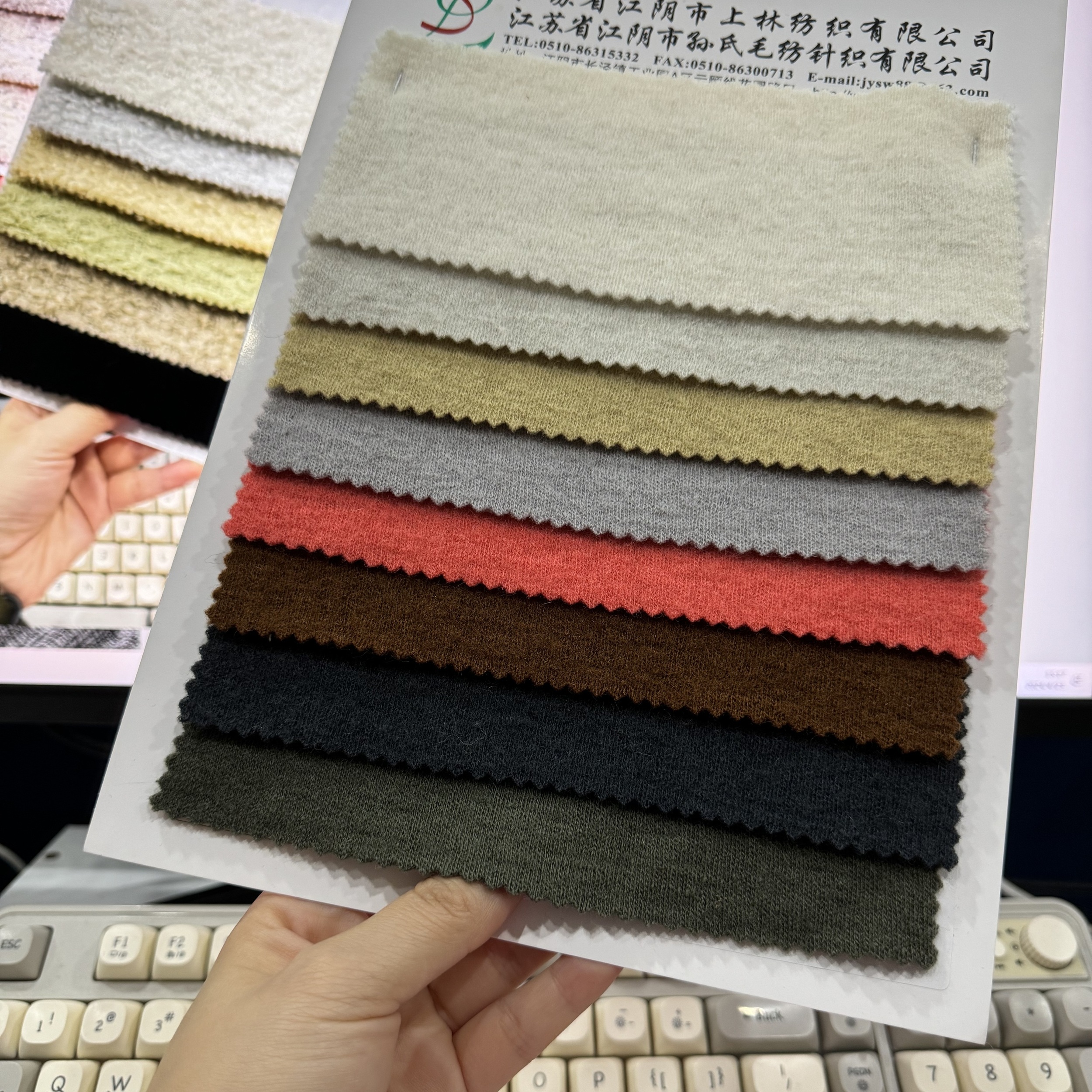
Year-Round Collection Planning
Brands operating across all four seasons benefit from strategic fabric planning that maximizes efficiency and minimizes inventory complexity. The Shanglin Textile seasonal fabric selection guide expertise includes year-round planning frameworks.
Core fabrics for year-round use. Certain fabrics serve multiple seasons with appropriate weight variations:
- Merino wool jersey — 185 GSM for summer, 220 GSM for spring/autumn
- Wool-polyester blends — 300 GSM for spring/autumn, 370 GSM for winter
- Double-sided knits — 350 GSM for spring/autumn, 400 GSM for winter
Seasonal specialty fabrics. Some fabrics are season-specific:
- Winter only: Heavy alpaca bouclé (460 GSM), long-pile mohair (370 GSM)
- Summer only: Ultra-lightweight merino (150-170 GSM), wool-lyocell blends (180 GSM)
Color strategy. Maintain core neutral colors year-round (black, navy, gray, cream) and introduce seasonal accent colors that rotate with fashion cycles. This approach reduces inventory complexity while providing seasonal freshness.
Lead time planning. The seasonal textile planning China supplier expertise includes lead time coordination for seasonal collections:
- Spring/summer collections: Fabric orders placed 9-12 months before retail season (June-September prior year)
- Autumn/winter collections: Fabric orders placed 6-9 months before retail season (January-April)
- Sample development: 4-6 weeks for custom fabrics
- Bulk production: 6-8 weeks for standard fabrics, 8-12 weeks for luxury and specialty fabrics
Inventory management. Year-round fabric planning reduces inventory complexity by standardizing core fabrics across seasons and limiting seasonal specialty fabrics to specific applications. This approach minimizes dead stock and improves cash flow.