

The choice between wool polyester blend fabrics and pure wool is one of the most consequential material decisions apparel brands face when developing outerwear, suiting, and knitwear collections. Each option offers distinct advantages, and the "right" choice depends on the specific application, target market, price point, and performance requirements of the garment being produced. Understanding these differences at a technical level — beyond marketing claims and generalizations — is essential for B2B buyers who want to optimize both product quality and commercial viability.
Shanglin Textile wool polyester blend fabric production spans nearly two decades of experience with both pure wool and blended constructions, giving the factory unique insight into when each fabric type serves the client's needs best. This article provides a systematic technical comparison across six critical dimensions — performance, durability, cost, aesthetics, care requirements, and market positioning — to help sourcing professionals make data-driven fabric decisions.
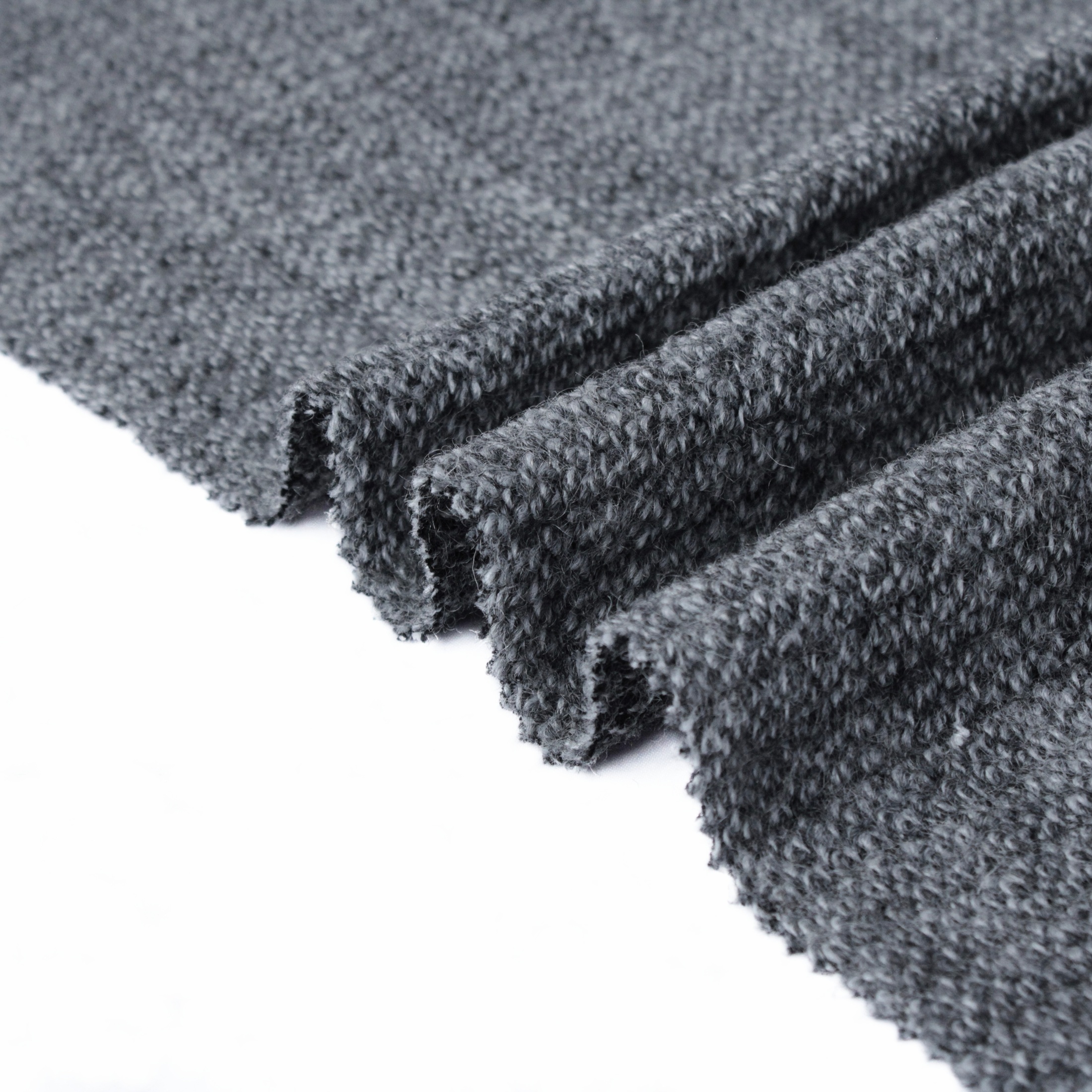
Dimension 1: Thermal Performance and Comfort
Pure wool thermal characteristics. Wool fiber's natural crimp creates millions of microscopic air pockets that trap body heat while allowing moisture vapor to escape. This structure provides excellent insulation without excessive weight — a 280 GSM pure wool boiled wool fabric delivers warmth comparable to a 400 GSM synthetic fleece. Pure wool also absorbs moisture vapor (up to 30% of its weight) without feeling damp, maintaining comfort across temperature fluctuations.
Wool polyester blend thermal characteristics. Polyester fiber is hydrophobic — it does not absorb moisture — and has lower inherent insulation than wool. In a wool polyester blend vs pure wool comparison, the blend's thermal performance depends on the wool percentage. A 40% wool / 60% polyester blend at 370 GSM provides good warmth due to its heavier weight, but the insulation per gram is lower than pure wool. The polyester component reduces moisture absorption, which can make the fabric feel clammy during high-activity scenarios where perspiration is generated.
When pure wool wins: Applications where maximum warmth-to-weight ratio is critical, next-to-skin comfort in variable temperatures, and natural moisture management are priorities. Luxury outerwear, base layers, and performance apparel typically favor pure wool or high-wool-percentage blends.
When blends win: Applications where absolute warmth is less critical than structure, durability, and cost efficiency. Heavy-weight fleece tweed (370 GSM) in a 40/60 blend provides substantial warmth through mass rather than fiber efficiency, and the polyester content improves wind resistance.
Dimension 2: Durability and Wear Resistance
Pure wool durability. Wool fiber has moderate tensile strength — it stretches before breaking but can be damaged by abrasion, moths, and prolonged exposure to moisture. Pure wool garments require careful handling during wear and storage. Wool's natural elasticity helps it recover from stretching, maintaining garment shape over time.
Shanglin Textile wool polyester blend fabric durability. Polyester fiber is significantly stronger than wool — it has higher tensile strength, superior abrasion resistance, and is impervious to moth damage. Blending polyester with wool dramatically improves the fabric's durability in high-wear applications. A 60% polyester blend can withstand daily wear, frequent laundering, and mechanical stress far better than pure wool at equivalent weight.
When pure wool wins: Occasional-wear garments, luxury items where longevity is measured in decades of careful use rather than daily abuse, and applications where the garment is not subjected to significant mechanical stress.
When blends win: Daily-wear suits, hospitality uniforms, workwear, travel garments, and any application where the fabric will be subjected to frequent wear, laundering, and mechanical stress. The Jiangyin Shanglin Textile blended fabric sourcing market strongly favors blends for these practical applications.
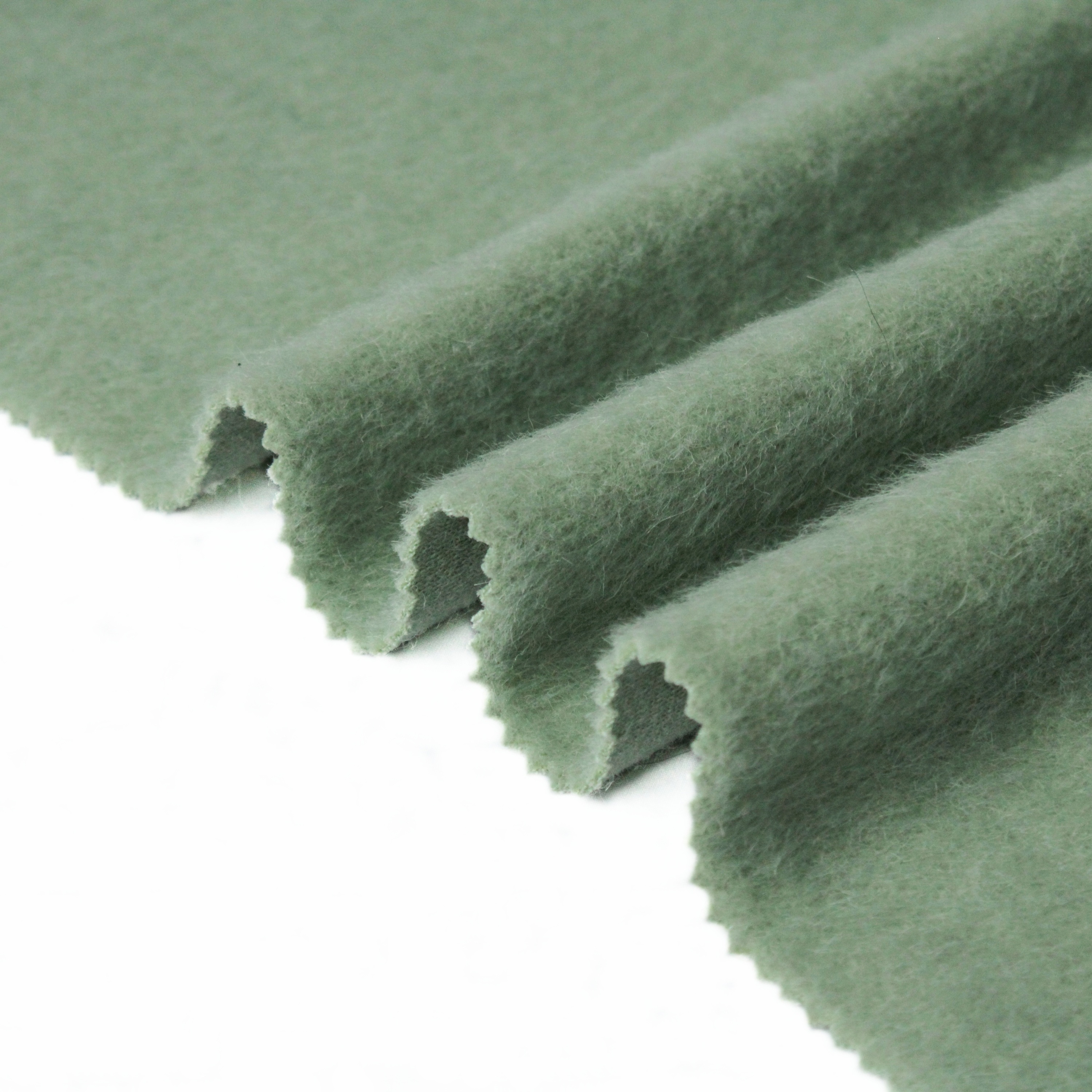
Dimension 3: Cost and Commercial Viability
Pure wool cost structure. Wool is a commodity fiber with prices that fluctuate based on global supply and demand, but it is consistently more expensive than polyester. Pure wool fabric costs 2-4 times more per meter than equivalent-weight wool-polyester blends. This cost difference compounds through the supply chain — higher fabric cost means higher garment cost, which limits the accessible market to premium and luxury segments.
Shanglin Textile wool polyester blend fabric cost structure. Polyester is a petroleum-based synthetic fiber produced at massive global scale, resulting in low and stable pricing. A 40/60 wool-polyester blend costs 40-60% less than pure wool at equivalent weight, making wool-blend garments accessible at mid-market retail price points. This cost advantage enables brands to offer "wool" positioning (with its associated quality perception) at prices that drive volume sales.
When pure wool wins: Luxury and premium market segments where customers expect and will pay for 100% natural fiber content. Brand positioning that emphasizes natural materials, sustainability, and heritage craftsmanship.
When blends win: Mid-market segments, volume-driven product lines, price-sensitive markets, and applications where the "wool" descriptor provides marketing value but 100% content is not required. The wool polyester blend vs pure wool comparison clearly favors blends for commercial viability in most mainstream apparel categories.
Dimension 4: Aesthetic and Hand Feel
Pure wool aesthetics. Wool has a distinctive softness, natural luster, and drape that synthetic fibers cannot fully replicate. Pure wool fabrics have a "premium" hand feel that consumers associate with quality and luxury. The fiber's natural crimp creates subtle surface texture and depth that reads as sophisticated.
Shanglin Textile wool polyester blend fabric aesthetics. Modern polyester fibers can be engineered to mimic wool's hand feel, but most commercial polyester has a smoother, more synthetic feel than wool. In blends, the wool percentage determines how "wool-like" the fabric feels. A 60% wool blend feels predominantly like wool; a 40% wool blend feels more like a performance fabric with wool character. Polyester can also add positive aesthetic qualities — it improves color vibrancy, reduces pilling, and maintains surface appearance after repeated wear.
When pure wool wins: Applications where hand feel and natural aesthetics are primary purchase drivers. Luxury coats, premium knitwear, and garments where the tactile experience is central to the brand proposition.
When blends win: Applications where visual appearance and color consistency are prioritized over hand feel, or where the fabric will be subjected to conditions that would degrade pure wool's appearance (frequent wear, exposure to elements, laundering). The Jiangyin Shanglin Textile blended fabric sourcing expertise includes helping brands select blend ratios that optimize aesthetics for their specific use case.
Dimension 5: Care and Maintenance
Pure wool care requirements. Pure wool typically requires dry cleaning or gentle hand washing in cool water with wool-specific detergent. Machine washing can cause felting (irreversible shrinkage and surface matting) unless the wool has been treated with superwash processes. Pure wool garments require careful storage (moth protection, proper hanging) and may need professional pressing to maintain appearance.
Wool polyester blend care advantages. Polyester is machine washable, quick-drying, and wrinkle-resistant. Blending polyester with wool significantly improves the fabric's care profile — a 40/60 blend can typically be machine washed on gentle cycles and tumble dried on low heat without damage. The polyester content reduces shrinkage, eliminates moth vulnerability, and improves wrinkle recovery. This care convenience is a major selling point for daily-wear garments.
When pure wool wins: Luxury garments where customers expect and accept professional care requirements as part of the ownership experience.
When blends win: Practical applications where care convenience is a purchase driver — uniforms, travel garments, daily-wear suits, and any product targeting consumers who prioritize easy maintenance. The Shanglin Textile wool polyester blend fabric range specifically targets these practical market segments.
Dimension 6: Environmental and Sustainability Considerations
Pure wool sustainability profile. Wool is a natural, renewable, and biodegradable fiber. Sheep produce new fleece annually, and wool decomposes in soil within months. However, wool production has environmental impacts — methane emissions from sheep, land use for grazing, water consumption for processing, and chemical use in scouring and dyeing. Responsible Wool Standard (RWS) certification addresses animal welfare and land management concerns.
Wool polyester blend sustainability profile. Polyester is a petroleum-based plastic that is not biodegradable and sheds microplastics during washing. However, recycled polyester (rPET) made from plastic bottles reduces virgin petroleum use and diverts waste from landfills. Blends complicate end-of-life recycling because separating wool from polyester is difficult and expensive.
When pure wool wins: Brands positioning on natural materials, biodegradability, and circular economy principles. Markets where consumers prioritize natural fiber content and are willing to pay premium prices.
When blends win: Applications where durability and longevity are the primary sustainability drivers (a garment that lasts 5 years is more sustainable than one that lasts 2 years, regardless of fiber content). Markets where recycled polyester content provides marketing value. The wool polyester blend vs pure wool comparison on sustainability is nuanced and depends on which environmental impacts are prioritized.
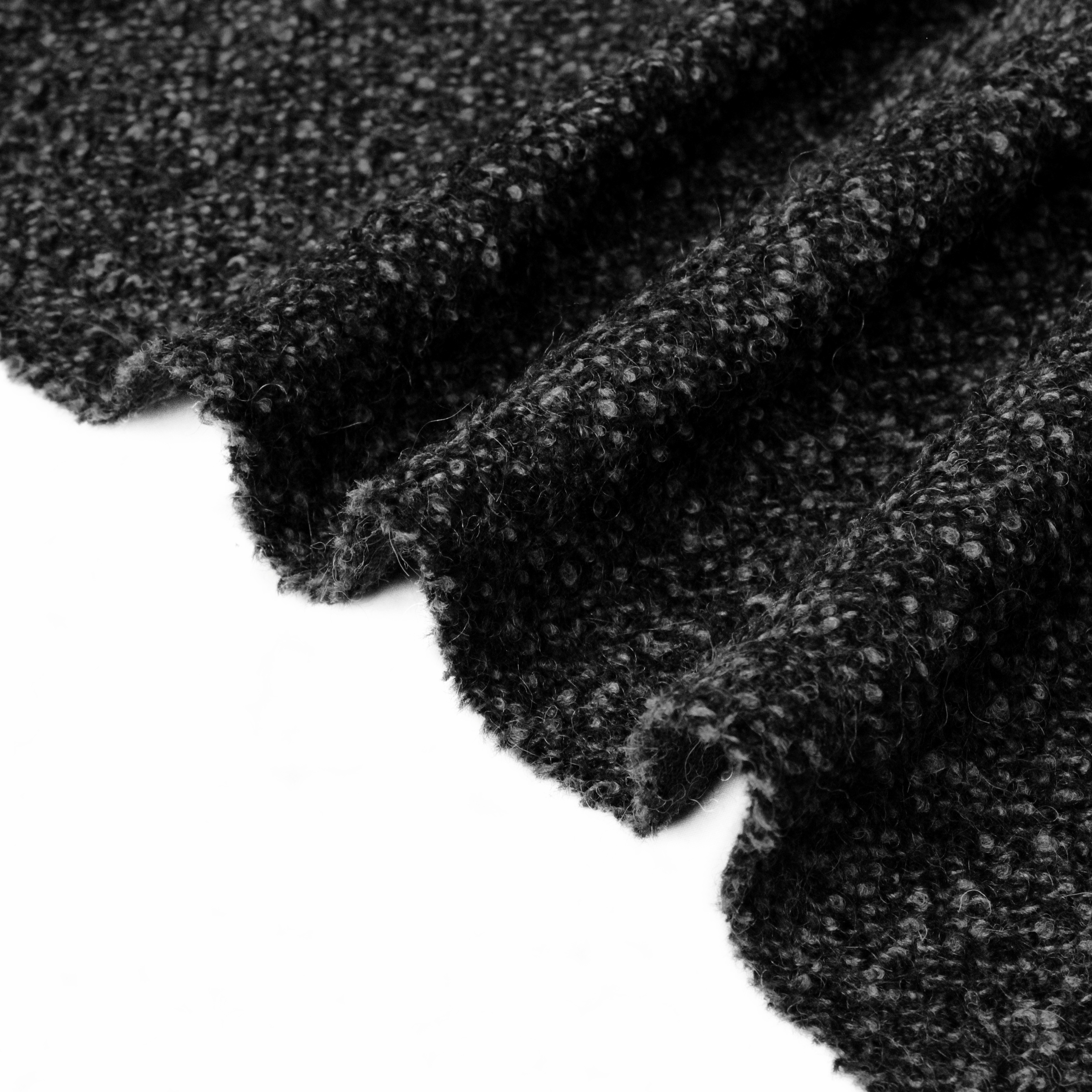
Decision Framework for B2B Buyers
Based on this six-dimension comparison, here is a decision framework for Jiangyin Shanglin Textile blended fabric sourcing and pure wool selection:
Choose pure wool when:
- Target market is luxury/premium segment
- Hand feel and natural aesthetics are critical
- Brand positioning emphasizes natural materials
- Garment is occasional-wear rather than daily-wear
- Care requirements are acceptable to target customer
- Budget allows for higher fabric cost
Choose wool-polyester blends when:
- Target market is mid-market or value segment
- Durability and wear resistance are priorities
- Care convenience is a purchase driver
- Color vibrancy and consistency are important
- Budget constraints require cost optimization
- Application involves frequent wear and laundering
Shanglin Textile wool polyester blend fabric options span blend ratios from 18% to 61% wool, allowing buyers to fine-tune the balance of properties for their specific requirements. The factory's technical team provides blend ratio recommendations based on application, budget, and performance targets.